Q-switched laser tattoo removal produces an immediate, localized tissue response followed by gradual immune-mediated pigment clearance. Within seconds, the treated skin typically develops transient white “frosting” from microscopic vacuoles and gas bubbles, often with localized edema. During the following days, redness, pinpoint bleeding, blistering, and crusting may occur, while fragmented ink is progressively engulfed by macrophages and transported through lymphatic channels over approximately 4–8 weeks.
The laser breaks tattoo pigment into much smaller particles through ultrashort, predominantly photomechanical pulses; the body then clears those particles gradually through macrophages and the lymphatic system.
What Happens Immediately During Treatment
Transient whitening or “frosting”
The most characteristic immediate reaction is epidermal whitening, often called frosting. It results when the nanosecond laser pulse creates rapid thermal expansion, tissue vacuolization, and microscopic gas bubbles around the targeted pigment.
These bubbles scatter light, making the treated area appear white. The appearance is temporary and commonly fades as the vacuoles resorb, often within roughly 20–30 minutes.
Localized edema
Rapid energy deposition and mechanical disruption can produce localized swelling around the treated area. This reflects an acute inflammatory response and fluid movement within the superficial tissues.
The swelling is generally confined to the treatment zone, although its intensity varies with the tattoo’s pigment, location, laser settings, and individual skin response.
Mechanical fragmentation of pigment
Q-switched lasers deliver very high peak power over extremely short pulses, typically in the nanosecond range. This produces photoacoustic shockwaves, cavitation, and rapid mechanical stress within pigment-containing structures.
The primary therapeutic effect is therefore photomechanical fragmentation: larger ink particles are fractured into microscopic fragments while limiting heat diffusion into surrounding tissue.
What Happens During the Following Days
Erythema and tenderness
Temporary redness, warmth, and sensitivity can develop after the frosting subsides. These effects reflect inflammation caused by pigment disruption and localized tissue injury.
The degree of redness depends on treatment intensity, tattoo density, body site, skin type, and the patient’s healing response.
Pinpoint bleeding and blistering
Small areas of pinpoint bleeding, mild blistering, or weeping may occur, particularly when treatment produces a stronger tissue response. These findings do not necessarily indicate a complication, but they require appropriate wound care.
The treated area should be kept clean and protected according to the treating clinician’s instructions. Do not deliberately remove blisters or crusts, because disrupting them can increase the risk of infection and pigmentary changes.
Crusting and re-epithelialization
As superficial fluid dries, crusting may develop over the treated skin. The crust acts as a temporary protective covering while the surface repairs itself.
Topical antiseptic or other aftercare products may be recommended by the clinician, especially when blistering or surface disruption is present. Specific aftercare should follow the treating provider’s protocol.
How the Body Clears the Fragmented Ink
Macrophage uptake
Before treatment, tattoo ink is stored in relatively persistent particles within the dermis, where some particles are held by skin cells and surrounding tissue. After laser exposure, the smaller fragments become more accessible to the immune system.
Macrophages, the body’s scavenger immune cells, phagocytose—or engulf—the fragmented pigment. Some pigment may later be released when macrophages die and then be taken up again, contributing to gradual fading rather than instant removal.
Lymphatic transport
Macrophages and pigment fragments can move through the lymphatic network to regional lymph nodes. This transport is a major pathway by which the body progressively removes or redistributes the treated ink.
Clearance is not immediate because cellular uptake, lymphatic transport, and repeated immune processing occur over weeks.
Progressive fading between sessions
Visible lightening usually continues after the skin’s immediate reaction has resolved. The primary fading period commonly occurs over approximately 4–8 weeks, although the timing varies with pigment color, particle size, tattoo depth, treatment parameters, and individual lymphatic and immune function.
For this reason, treatments are normally spaced apart rather than performed in rapid succession. The skin and the immune system need time to recover and process the fragmented pigment.
Understanding the Trade-offs
“Minimal thermal damage” does not mean “no tissue reaction”
Q-switched treatment is designed to concentrate energy in pigment and limit unnecessary heat spread. However, the desired mechanical effect still produces a controlled tissue response, including inflammation, edema, blistering, or crusting in some cases.
Claims that treatment causes no skin damage or is guaranteed to remove every tattoo completely are too broad. Outcomes depend on the tattoo and the patient, and complications such as prolonged pigmentary changes, scarring, or incomplete clearance can occur.
Clearance is variable
Black and some darker pigments may respond differently from multicolored inks, and certain pigments can be more resistant or may change color after laser exposure. Tattoo depth, density, age, location, layering, and the presence of scarring also influence the result.
A treatment plan should therefore be based on the specific tattoo rather than on a fixed number of sessions or a guaranteed endpoint.
Aftercare affects recovery
Picking crusts, exposing healing skin to unnecessary irritation, or ignoring signs of infection can worsen the recovery process. Increasing pain, spreading redness, pus, fever, or other concerning symptoms warrant prompt clinical assessment.
How to Apply This to Your Goal
The key is to distinguish the normal immediate response from the slower biological process that produces tattoo fading.
- If your primary focus is understanding the immediate reaction: Expect transient frosting and swelling first, followed by possible redness, pinpoint bleeding, blistering, and crusting over the next several days.
- If your primary focus is understanding how fading occurs: The laser mechanically fragments dermal ink, after which macrophages and lymphatic transport progressively remove or redistribute the particles over roughly 4–8 weeks.
- If your primary focus is safe recovery: Follow the treating clinician’s wound-care instructions, avoid picking or irritating the area, and seek assessment for signs of infection or an unusually severe reaction.
- If your primary focus is realistic expectations: Treat tattoo removal as a staged process with variable clearance, not an instant or universally complete removal procedure.
Q-switched laser removal works in two linked phases: rapid photomechanical pigment fragmentation followed by slow, immune-mediated biological clearance.
Summary Table:
| Aspect | Immediate Reaction | Long-Term Clearing |
|---|---|---|
| Timing | Seconds to minutes | 4–8 weeks between sessions |
| Mechanisms | Photomechanical fragmentation, vacuolization, gas bubble formation, edema | Macrophage uptake, lymphatic transport |
| Visible signs | Whitening (frosting), localized swelling, redness, pinpoint bleeding, blistering, crusting | Progressive fading |
| Clinical implication | Prepare for transient skin changes; follow wound care | Space treatments to allow immune processing |
Are you a clinic or premium salon looking to offer advanced laser tattoo removal? BELIS provides professional-grade Q-switched lasers with proven efficacy and safety. Our systems feature precise wavelength selection and customizable parameters to effectively treat a wide range of tattoo colors and skin types. By partnering with BELIS, you can expand your aesthetic services, attract new clients, and generate additional revenue—all while ensuring excellent patient satisfaction. Contact us today to learn how our solutions can elevate your practice: Contact BELIS.
Related Products
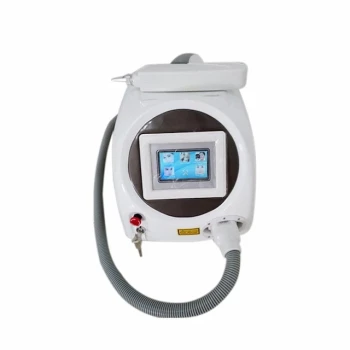
- Q Switch Nd Yag Laser Machine Tattoo Removal Nd Yag Machine
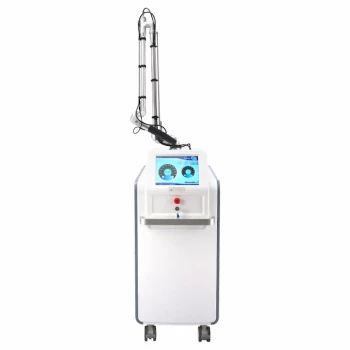
- Pico Laser Tattoo Removal Machine Picosure Picosecond Laser Machine
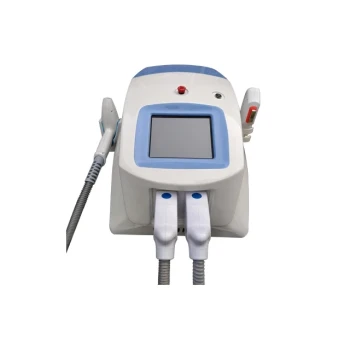
- Clinic Use IPL and SHR Hair Removal Machine with Nd Yag Laser Tattoo Removal
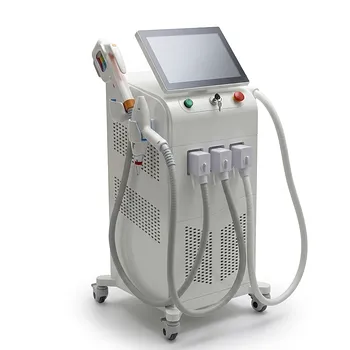
- 808nm Diode Laser Hair Removal Machine 755+808+1064nm Mixed Wavelength Professional Equipment
- Tri Laser Diode Hair Removal Machine Professional Beauty Equipment
People Also Ask
- What is the documented effectiveness of Q-switched Nd:YAG lasers for tattoo removal? Gold Standard Results
- How do wavelength selection and parameter guidelines differ when using Q-switched Nd:YAG laser equipment for removing different tattoo colors? Master Tattoo Removal for Every Color
- How does laser fluence influence pigment clearance vs. safety? Balancing Speed and Skin Integrity in Tattoo Removal
- What pigment compositions and particle properties should practitioners evaluate before operating Q-switched Nd:YAG lasers for tattoo removal? Evaluate pigment composition and particle size for safe, effective tattoo removal.
- How should wavelength and fluence settings be adjusted on Nd:YAG and Q-switched lasers when treating darker skin tones? Optimize Safety & Efficacy