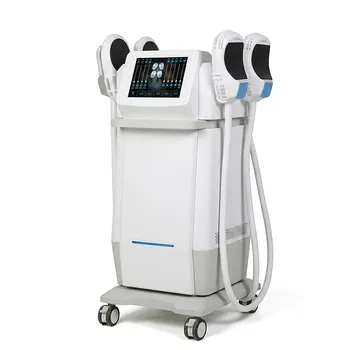
Safe microneedling and microneedle RF require more than choosing a needle depth. Essential protocols include patient screening, aseptic technique, device-specific settings, appropriate anesthesia, anatomical precautions, and a standardized aftercare plan. Treatment should be performed only by trained, authorized clinicians who follow the device manufacturer’s instructions and applicable local regulations.
The safest protocol is individualized: exclude patients with impaired healing or active skin disease, use sterile single-use cartridges, tailor depth and RF energy to the treatment zone and skin type, and provide strict photoprotection and heat avoidance during recovery.
Screen the Patient Before Treatment
Identify Absolute Contraindications
Do not treat over active bacterial, viral, or fungal infections, including herpes simplex lesions. Treatment should also be deferred for active inflammatory conditions such as severe acne, papulopustular rosacea, eczema, or sunburn.
Other important exclusions include uncontrolled diabetes, significant bleeding disorders, immunosuppression, active cancer, pregnancy or lactation when contraindicated by local policy, and a history of problematic keloid or hypertrophic scarring.
Recent oral isotretinoin use, commonly defined as within the previous six months in the supplied protocols, requires particular caution and often postponement. The clinician should verify the patient’s medication history rather than relying on memory or an intake form alone.
Screen Specifically for RF Risks
For microneedle RF, do not treat over or near pacemakers, implanted electronic devices, or metal implants unless the manufacturer and qualified medical authority explicitly confirm that treatment is safe.
Map relevant anatomy before applying energy. In the submental region, for example, avoid high-energy application directly over the marginal mandibular nerve because thermal injury can cause temporary weakness or other neurologic complications.
Evaluate Skin Type and Recent Procedures
Document Fitzpatrick skin type, baseline pigmentation, scarring tendency, active inflammation, and prior treatment response. Darker skin phototypes, particularly types IV–VI, require conservative RF energy and coverage choices because post-inflammatory hyperpigmentation is a significant risk.
Defer or modify treatment after recent chemical peels, laser procedures, facial aesthetic procedures, or substantial sun exposure. The appropriate interval depends on the procedure, the patient’s recovery, and the device protocol.
Establish a Controlled Clinical Environment
Use Single-Use Needle Cartridges
Open a sterile, disposable needle cartridge immediately before treatment and use it for one patient and one procedure only. Never reprocess or reuse a cartridge, even if it appears clean or was used briefly.
Dispose of the cartridge in an appropriate sharps container after treatment. Record the cartridge and device details when required by the clinic’s quality and traceability procedures.
Disinfect Reusable Components
Clean and disinfect handpieces, cords, controls, and other reusable surfaces with a compatible hospital-grade disinfectant according to the product’s contact time and the device manufacturer’s instructions.
The operator should follow applicable infection-control and occupational-safety requirements, including procedures for blood exposure and sharps handling. Disinfection is not a substitute for sterile disposables or proper barrier protection.
Prepare the Treatment Field
Cleanse the skin thoroughly and use the antiseptic preparation specified by the clinic’s protocol and device manufacturer. Allow the preparation to dry fully before inserting needles or delivering RF energy.
Use gloves and protective barriers appropriate to the procedure. Maintain a clean separation between sterile cartridges, contaminated items, treatment surfaces, and product containers.
Select Settings by Anatomy and Indication
Adjust Needle Depth by Treatment Zone
Needle depth must be selected for the target structure, skin thickness, indication, and device. Facial areas commonly require shallow settings, while thicker tissue or severe scars may require greater penetration within the device’s approved range.
Do not apply manual downward pressure to force the needles deeper. The handpiece should deliver the programmed penetration, and the operator should adjust settings when tissue thickness or anatomy changes.
Stretch the Skin When the Device Requires It
For motorized stamping systems, controlled skin stretching can help the needles enter tissue at the intended depth. Unstretched or mobile tissue may resist penetration and produce inconsistent treatment.
Stretching must never be used to justify excessive pressure or aggressive passes. The operator should prioritize uniform coverage, predictable penetration, and tissue response over maximum depth.
Tailor RF Energy and Density
RF settings should account for skin type, tissue thickness, treatment area, indication, needle depth, pulse duration, and the patient’s risk of pigmentary change. Patients with darker skin phototypes generally require lower energy density and more conservative coverage.
Use lower settings near delicate structures and follow the manufacturer’s guidance for dwell time, pulse duration, insulated versus non-insulated needles, and pass count. RF treatment is not equivalent to conventional microneedling; needle depth alone does not determine thermal exposure.
Use Conservative Settings Near Sensitive Anatomy
Avoid direct high-energy treatment over nerves, thin skin, prominent bony areas, the thyroid region when contraindicated by the device protocol, and any implant or electronic device.
A safe protocol includes clear treatment boundaries marked before starting. The operator should stop if the patient reports unusual pain, radiating sensations, muscular weakness, excessive heat, or symptoms inconsistent with the expected response.
Manage Comfort and Treatment Endpoints
Use Appropriate Anesthesia
For RF microneedling, topical anesthetic is commonly applied approximately 30–60 minutes before treatment, then removed completely before the procedure. Longer exposures or deeper target structures may require nerve blocks or tumescent anesthesia administered by an appropriately qualified clinician.
Check for allergy, prior reactions, maximum dose limits, and the risk of systemic anesthetic toxicity. Anesthetic choice and dosing should follow local prescribing rules and the product’s labeling.
Aim for Uniform, Controlled Coverage
The operator should use an organized pattern with consistent overlap and minimal unnecessary passes. Repeated passes over the same area increase inflammation and thermal injury without automatically improving results.
For conventional microneedling, uniform pinpoint bleeding may occur at clinically appropriate depths, but it is not a universal endpoint for every treatment. RF devices, superficial protocols, and sensitive areas may require little or no visible bleeding; the manufacturer’s protocol and the clinical objective should determine the endpoint.
Recognize Excessive Tissue Response
Expected findings can include erythema, warmth, mild edema, faint needle marks, and limited pinpoint bleeding. Severe pain, blistering, marked swelling, dusky discoloration, persistent numbness, or signs of infection require immediate assessment and may require referral or escalation.
Document the settings, number of passes, treatment zones, anesthesia, skin response, and any complications. Good documentation supports continuity of care and helps identify unsafe patterns.
Give Clear Post-Treatment Care
Expect a Short Recovery Period
Redness, warmth, mild swelling, and pinpoint bleeding may occur immediately after treatment. Superficial dryness or flaking commonly develops over the following several days, with uncomplicated erythema and edema often improving within approximately three to five days.
Patients should receive written instructions explaining which reactions are expected and which require medical review. They should know whom to contact if symptoms worsen rather than improve.
Use Gentle, Non-Irritating Products
Apply only sterile or clinic-approved post-procedure products immediately after treatment. Gentle moisturizers, bland emollients, hyaluronic acid products, or zinc-based barrier preparations may be appropriate when compatible with the clinician’s protocol.
Patients should avoid unapproved products, fragranced cosmetics, exfoliating acids, retinoids, scrubs, and other potentially irritating actives until the skin barrier has recovered. Prophylactic topical or oral antibiotics are generally unnecessary unless specifically indicated by the treating clinician.
Protect the Skin From Light
Use a broad-spectrum sunscreen and minimize direct sun exposure during recovery. A non-irritating mineral sunscreen containing zinc oxide or titanium dioxide is often selected for freshly treated skin, particularly when the barrier is compromised.
The supplied reference prohibits chemical sunscreens and micronized zinc oxide categorically. That is more restrictive than general dermatologic practice and should not be treated as a universal rule; the decisive requirements are broad-spectrum protection, product tolerability, avoidance of irritating ingredients, and adherence to the treating clinician’s device-specific protocol.
Avoid Heat and Vasodilation
Avoid direct heat, hot environments, saunas, hot showers, strenuous exercise, and alcohol for several days or for the period specified by the clinic. These activities can increase vasodilation, redness, swelling, and discomfort.
Avoid substantial sun exposure for at least the initial recovery period. Some protocols recommend strict heat and sun avoidance for up to two weeks, especially when inflammation or pigmentary risk is elevated.
Reduce Swelling Safely
A cool, clean mask or wrapped cold pack may relieve discomfort when used briefly and without pressure. Sleeping with the head elevated during the first 24 hours can also reduce facial swelling.
Do not apply ice directly to the skin, rub treated areas, pick at flaking skin, or use occlusive products unless specifically instructed. Patients should keep the treatment area clean and avoid unnecessary touching.
Understanding the Trade-Offs
Deeper Is Not Automatically Better
Greater needle depth may be useful for thick tissue, severe scars, or pronounced wrinkles, but it also increases pain, bleeding, inflammation, and the risk of scarring or prolonged pigment changes. Depth should be selected by anatomy and indication, not by a fixed “maximum effective” number.
Published or device-specific ranges differ. Some systems support depths up to approximately 2.0–2.5 mm, while other devices and indications may allow deeper settings; operators must not transfer settings between devices without confirming compatibility.
Visible Bleeding Is Not a Quality Score
Pinpoint bleeding can indicate dermal penetration during conventional microneedling, but pursuing bleeding as proof of effectiveness can lead to unnecessary trauma. RF treatment also depends on energy delivery and thermal coagulation, so visible blood is not required for a valid treatment endpoint.
More Energy Raises Pigment Risk
Higher RF energy or density may increase remodeling but also raises the risk of burns, prolonged inflammation, and post-inflammatory hyperpigmentation. Conservative settings and strict photoprotection are especially important for Fitzpatrick III–VI skin types.
A course may involve several sessions, often three to six for remodeling indications, with maintenance treatments determined by clinical response. Treatment intervals and maintenance schedules should be individualized rather than presented as guarantees.
Do Not Overgeneralize Aftercare Products
A product that is tolerable on intact skin may irritate freshly treated skin or enter microchannels. “Natural,” fragranced, acidic, compounded, or non-sterile products are not automatically safe after microneedling or RF.
Product selection should be simple, bland, and protocol-driven. The clinician should explain when normal skincare and active ingredients can be reintroduced.
Making the Right Choice for Your Goal
The safest application depends on the patient, the device, and the treatment objective.
- If your primary focus is infection prevention: Use sterile single-use cartridges, disinfect reusable equipment with compatible hospital-grade products, maintain sharps controls, and document the procedure.
- If your primary focus is clinical effectiveness: Match depth, energy, density, and passes to the treatment zone and indication, using the manufacturer’s validated protocol.
- If your primary focus is patient safety: Screen for active disease, impaired healing, isotretinoin use, pregnancy or lactation considerations, scarring history, and RF-related implants before treatment.
- If your primary focus is minimizing pigmentation: Use conservative RF settings for darker skin phototypes, avoid treating inflamed or recently sun-exposed skin, and enforce strict photoprotection.
- If your primary focus is recovery: Recommend gentle approved products, cooling without pressure, temporary avoidance of heat and vasodilation, and clear instructions for recognizing complications.
A disciplined, individualized protocol protects patients while giving microneedling and microneedle RF the best chance of producing predictable results.
Summary Table:
| Aspect | Key Points |
|---|---|
| Patient Screening | Exclude active infections, impaired healing, isotretinoin use; assess skin type and recent procedures |
| Aseptic Technique | Use sterile single-use cartridges, disinfect reusable parts, prepare skin with antiseptic |
| Device Settings | Adjust needle depth and RF energy by anatomy and skin type; avoid sensitive areas |
| Anesthesia | Apply topical 30-60 min before, remove fully; use nerve blocks when needed |
| Post-Treatment | Gentle skincare, strict sun protection, avoid heat and vasodilation; monitor for complications |
Protect your patients and achieve optimal results with BELIS's advanced microneedle RF systems, designed for clinics and premium salons. Our devices offer precise depth and energy control, ensuring safety and efficacy. Contact our experts today to learn more about protocols and training—get in touch! Discover how our medical-grade aesthetic equipment can elevate your practice, with OEM/ODM support and full certification compliance.
Related Products
- RF Microneedling Machine Micro Needle Radio Frequency Machine
- RF Microneedling Machine Micro Needle Radio Frequency Machine
- Ultrasonic Cavitation Radiofrecuency Machine for Body Slimming
- EMS Body Sculpting Slimming Machine EMSlim Body Slimming Machine
- Ultrasonic Cavitation Machine Lipo Laser Device
People Also Ask
- How does Microneedling assist in drug absorption for vitiligo? Boost Treatment Efficacy with Enhanced Micro-channels
- How does Microneedling RF differ from standard microneedling? Advanced Scars Treatment for Clinic Results
- What is the function of applying high-concentration topical anesthetic cream? Unlock Deeper Results in Microneedling
- Why is a 2.5mm needle depth typically selected for deep scars? Unlock Professional Microneedling Results
- Why is evaluating localized skin thickness essential when setting needle depth and energy parameters for microneedling RF and microdermabrasion devices? Achieve Safe and Effective Treatments