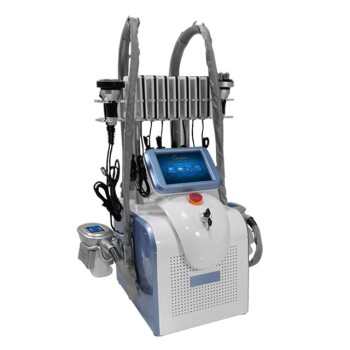
Ultrasonic cavitation is widely classified as a safe, low-risk procedure for fat reduction. Because the technique is non-invasive, it bypasses the severe dangers inherent to surgical interventions, such as infection, blood loss, and complications from anesthesia.
The Bottom Line: Ultrasonic cavitation relies on technology designed to specifically target fat cells while leaving the surrounding vascular, nervous, and muscular tissue intact. While it is generally safe, the primary safety variable is the skill of the operator, as improper application can lead to tissue damage.
Why the Procedure is Considered Low-Risk
The safety profile of ultrasonic cavitation is largely defined by what it doesn't do. By removing the need for surgical intrusion, the most common medical risks are effectively eliminated.
Non-Invasive Nature
The procedure utilizes high-frequency sound waves rather than scalpels or needles. Because the skin barrier is never broken, there are no incisions, cuts, or stitches involved. This eliminates the risk of surgical scarring and significantly reduces the chance of post-procedure infection.
Targeted Cellular Impact
The technology is engineered to be selective. The specific frequency of the ultrasound waves targets the structural integrity of fat cells. According to the primary technical data, this specificity ensures that surrounding tissues—such as skin, blood vessels, and nerves—are largely unaffected during a standard treatment.
Absence of Anesthesia
One of the highest risk factors in any major medical procedure is the use of general or local anesthesia. Ultrasonic cavitation requires no sedation, removing the physiological risks associated with going under anesthesia.
Understanding the Trade-offs and Risks
While the procedure is inherently safer than liposuction, it is not without variables. As a technical advisor, I must highlight that "safe" does not mean "foolproof." The safety of the device is heavily dependent on proper usage.
The Risk of Improper Application
The equipment generates high-frequency waves that produce energy. If an operator applies these waves too aggressively or at an excessively high intensity, the safety mechanisms can be overridden. This misuse can potentially damage the skin, muscles, and even internal organs.
Thermal Injury Potential
The process involves energy transfer, which can generate heat. If the ultrasound wand is focused on a single small area for too long, it can create excessive heat accumulation. In rare cases of operator error, this can lead to burns or thermal tissue damage.
Minor Side Effects
Even with perfect execution, biological responses vary. Patients may experience temporary redness or swelling in the treated area. However, these side effects are generally mild and resolve quickly compared to surgical recovery.
Making the Right Choice for Your Goal
When evaluating ultrasonic cavitation, you are essentially trading the dramatic, immediate results of surgery for a safety-first, gradual approach.
- If your primary focus is safety and zero downtime: Ultrasonic cavitation is the superior choice, as it allows you to return to daily activities immediately without pain or recovery time.
- If your primary focus is risk mitigation: Ensure you select a certified, experienced provider, as the primary risks (burns or tissue damage) are almost exclusively linked to operator error rather than the technology itself.
Ultrasonic cavitation represents a calculated, safe evolution in body contouring, offering a viable solution for those who prioritize a non-traumatic experience over surgical intervention.
Summary Table:
| Aspect | Safety Profile | Considerations |
|---|---|---|
| Invasiveness | Non-invasive; no incisions or stitches | No risk of surgical scarring or infection |
| Tissue Impact | Selective targeting of fat cells | Surrounding vessels and nerves remain intact |
| Anesthesia | Not required | Eliminates risks associated with sedation |
| Recovery | Zero downtime | Immediate return to daily activities |
| Primary Risk | Low (mainly operator-dependent) | Potential for thermal injury if used improperly |
Elevate Your Clinic’s Safety and Results with BELIS Professional Equipment
At BELIS, we specialize in professional-grade medical aesthetic equipment designed exclusively for clinics and premium salons. We understand that while ultrasonic cavitation is inherently safe, the precision of the technology and the quality of the device are paramount to avoiding operator error and thermal injury.
Our advanced portfolio—including high-performance RF Cavitation systems, Diode Hair Removal, CO2 Fractional lasers, and EMSlim body sculpting solutions—is engineered for maximum safety and efficacy. Partnering with BELIS means providing your clients with the most reliable technology in the industry, backed by our expertise in specialized care devices.
Ready to upgrade your treatment offerings with industry-leading technology? Contact us today to discuss your equipment needs!
Related Products
- Ultrasonic Cavitation Radiofrecuency Machine for Body Slimming
- Cryolipolysis Fat Freezing Machine and Ultrasonic Cavitation Device
- Cryolipolysis Fat Freezing Machine Ultrasonic Cavitation Fat Reducing Device
- Cryolipolysis Fat Freezing Machine with Cavitation and Laser Lipolysis
- Cryolipolysis Fat Freezing Machine Cavitation Lipo Laser Machine
People Also Ask
- What are the pros and cons of the ultrasonic cavitation slimming treatment? A Guide to Painless Body Contouring
- Does an ultrasonic cavitation machine also tighten the skin? Achieve Total Body Contouring with RF Synergy
- How does radiofrequency technology in slimming machines promote fat reduction? The Science of Non-Invasive Sculpting
- How should one prepare for an ultrasonic cavitation appointment? 5 Essential Tips for Maximum Fat Loss Results
- What areas of the body are targeted for ultrasonic cavitation? Best Zones for Effective Body Contouring