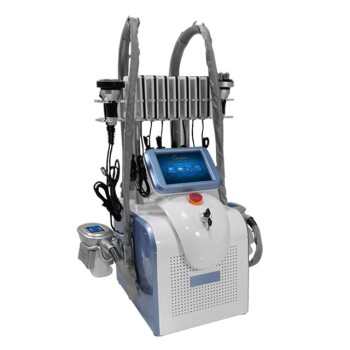
Cryolipolysis is widely regarded as a safe, non-invasive procedure by the medical community and regulatory bodies. Since receiving FDA approval in 2010, it has been established as a treatment that does not alter the body's structural integrity and typically poses no risk of interference with other medical treatments or medications.
Cryolipolysis leverages specific biological thresholds to target fat cells without damaging surrounding tissue, making it a low-risk alternative to surgery. However, its safety profile relies heavily on precise temperature management and the use of protective barriers during application.
The Biological Basis for Safety
FDA Approval and Non-Invasive Nature
The safety of Cryolipolysis is underpinned by its clearance from the Food and Drug Administration (FDA) in 2010. Because it is a non-surgical procedure, it does not require anesthesia or incisions.
Furthermore, the procedure is designed to leave the body's structure unaltered. It strictly targets adipose (fat) tissue, ensuring that muscles, nerves, and skin remain unaffected.
The Temperature Threshold
Safety is achieved through the distinct biological differences between fat cells and skin cells. Fat cells begin to die at approximately 4°C.
At this specific temperature, skin cells remain mostly unharmed. This allows the device to freeze and destroy fat cells while leaving the epidermis and surrounding tissue intact.
The Critical Role of the Antifreeze Membrane
To maintain this safety margin, a specialized antifreeze membrane is mandatory. This membrane acts as a physical and thermal barrier between the cooling plate and your skin.
It ensures the device never makes direct contact with the skin surface. Without this barrier, or if the temperature drops too low, there is a risk of skin damage.
What to Expect During the Procedure
Sensations vs. Pain
Most patients do not describe the procedure as painful. Initially, you may feel intense cold and pressure as the device vacuums the skin and fat into the applicator.
These sensations usually dissipate as the cold numbs the treatment site. You may experience pulling, tugging, or pinching, but the skin itself remains undamaged.
Immediate Aftermath
Once the device is removed, the treated area will resemble a small block of frozen tissue. This is a normal part of the process.
A practitioner will massage the area for 3 to 5 minutes. This massage helps return the tissue to its normal shape and aids in breaking down the treated fat cells.
Understanding the Trade-offs
Late-Onset Pain
While generally safe, a very small percentage of patients experience side effects. The most common complaint is late-onset pain, which has a prevalence of only 0.1%.
This typically manifests about two weeks after the session. Crucially, this issue usually resolves on its own without the need for medical intervention.
No Downtime vs. Gradual Results
Unlike surgery, Cryolipolysis requires no downtime, allowing you to resume normal activities immediately. However, the results are not instant.
The body takes time to naturally process and eliminate the destroyed fat cells. While results are considered permanent, you must wait to see the full 20% to 40% reduction in the fat layer.
Making the Right Choice for Your Goal
Before scheduling a session, it is advisable to consult with your medical providers to ensure no underlying conditions could complicate the treatment.
- If your primary focus is safety and medical compatibility: Confirm with your doctor that you have no cold-sensitivity conditions, as the procedure is safe but relies on extreme cold.
- If your primary focus is avoiding skin damage: Ensure your practitioner utilizes the mandatory antifreeze membrane to prevent direct contact between the cooling plate and your skin.
- If your primary focus is pain management: Be aware that while the procedure is generally painless due to numbing, a very small fraction of patients (0.1%) experience temporary, self-resolving pain weeks later.
Ultimately, Cryolipolysis offers a safe, permanent reduction of fat by exploiting the specific freezing point of fat cells, provided that strict temperature protocols are maintained.
Summary Table:
| Feature | Safety Insight |
|---|---|
| Regulatory Status | FDA approved since 2010 |
| Targeting Mechanism | Selective fat cell death (4°C) without damaging skin/nerves |
| Protection Method | Mandatory antifreeze membranes prevent skin frostbite |
| Downtime | None; resume normal activities immediately |
| Side Effects | Rare late-onset pain (0.1% prevalence); self-resolving |
Elevate Your Clinic’s Body Sculpting Standards with BELIS
At BELIS, we specialize in professional-grade medical aesthetic equipment designed exclusively for clinics and premium salons. Our advanced cryolipolysis and body sculpting solutions (including EMSlim and RF Cavitation) ensure maximum safety through precise temperature control and superior cooling technology.
Partner with BELIS to offer your clients safe, effective, and permanent results.
Related Products
- Cryolipolysis Fat Freezing Machine Ultrasonic Cavitation Fat Reducing Device
- Cryolipolysis Fat Freezing Machine and Ultrasonic Cavitation Device
- Cryolipolysis Fat Freezing Cavitation Lipo Laser Machine
- Cryolipolysis Fat Freezing Machine with Cavitation and Laser Lipolysis
- Cryolipolysis Fat Freezing Machine Cavitation Lipo Laser Machine
People Also Ask
- What are the main benefits of using a fat freezing machine? Achieve Permanent, Non-Surgical Body Sculpting
- Do fat freezing machines really work? Achieve Non-Invasive Body Contouring
- What are the potential side effects and risks associated with fat freezing? Safety Profile & Rare Risks Explained
- What is the treatment principle of cryolipolysis fat freezing? Science-Backed Fat Reduction and Body Contouring
- What are the technical advantages of using lower temperatures and shorter durations in cryolipolysis fat reduction?