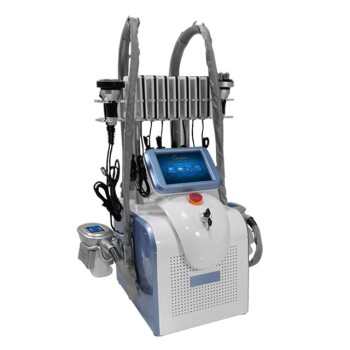
The fundamental difference lies in cell retention versus cell elimination. Ultrasonic cavitation operates by emptying the liquid contents of fat cells while leaving the cellular structure largely intact, which allows those specific cells to potentially refill if you gain weight. In contrast, liposuction surgically removes and destroys the fat cells entirely, permanently preventing fat storage in the treated cells.
While liposuction physically lowers the number of fat cells in a specific area, ultrasonic cavitation acts as a drainage mechanism that shrinks fat cells without removing them from the body.
The Mechanics of Action
Ultrasonic Cavitation: Draining the Cell
Ultrasonic cavitation uses focused sound waves to create microscopic bubbles around fat deposits. As these bubbles expand and implode, the resulting pressure empties the fat cell.
Critically, the primary reference notes that this process generally leaves the fat cell itself intact. The cell releases its fatty acids and triglycerides, but the "container" remains in the body.
Liposuction: Removing the Cell
Liposuction is an invasive surgical procedure designed to physically extract tissue. A cannula is used to suction out fat cells, destroying them in the process.
Once these cells are removed from the body, they cannot regenerate. The total number of fat cells in the treated area is permanently reduced.
The Body's Physiological Response
Metabolic Processing vs. Physical Extraction
In liposuction, the fat is immediately taken out of the body during surgery.
In ultrasonic cavitation, the liquefied fat released from the cells must be processed biologically. The lymphatic system and liver metabolize these contents to excrete them naturally, much like the body processes food.
Impact on Recovery
Because cavitation is non-invasive and requires no incisions, it preserves the vascular system and skin structure. This results in no downtime and avoids the anesthesia risks associated with surgery.
Liposuction involves trauma to the tissue, requiring a dedicated recovery period to heal from the physical removal of cells.
Understanding the Trade-offs
The Risk of Regaining Weight
The most distinct difference between the two methods appears when a patient gains weight post-procedure.
With ultrasonic cavitation, because the cells are emptied but not removed, they can refill with fat. Weight gain tends to return to the originally treated areas.
With liposuction, the destroyed cells cannot store fat. If you gain weight, the body must store it elsewhere, potentially leading to fat accumulation in new, untreated, and sometimes unexpected areas of the body.
Intensity of Results
While cavitation is safer and cost-effective, its non-invasive nature means results are often less dramatic than surgery. It is generally better suited for body sculpting and toning rather than massive volume reduction.
Making the Right Choice for Your Goal
To decide between these procedures, you must prioritize your tolerance for recovery time against your desire for permanent cell removal.
- If your primary focus is permanent cell reduction: Liposuction provides a definitive removal of fat cells, preventing fat from returning to that specific area.
- If your primary focus is avoiding surgery and downtime: Ultrasonic cavitation offers a non-invasive alternative that shrinks cells and tightens skin without interrupting your daily life.
- If your primary focus is cost-effectiveness: Cavitation is generally less expensive but may require ongoing lifestyle maintenance to prevent the treated cells from refilling.
Ultimately, liposuction changes your anatomy, while ultrasonic cavitation changes your cell volume.
Summary Table:
| Feature | Ultrasonic Cavitation | Liposuction |
|---|---|---|
| Mechanism | Empties fat cell contents (drainage) | Physically removes and destroys cells |
| Cell Status | Cells remain intact and can refill | Cells are permanently eliminated |
| Invasiveness | Non-invasive (No downtime) | Invasive surgery (Requires recovery) |
| Weight Gain | Fat can return to the treated area | Fat is stored in new, untreated areas |
| Best For | Sculpting, toning, and cost-efficiency | Significant volume reduction |
Elevate Your Clinic’s Body Contouring Results with BELIS
Are you looking to offer your clients professional, non-invasive alternatives to surgery? BELIS specializes in professional-grade medical aesthetic equipment designed exclusively for premium clinics and salons.
Our advanced RF Cavitation and Body Sculpting solutions provide effective fat reduction and skin tightening without the risks of anesthesia or downtime. From Diode Laser Hair Removal to HIFU and Cryolipolysis, our portfolio empowers you to deliver visible, life-changing results.
Ready to upgrade your treatment offerings? Contact our specialists today to find the perfect system for your business!
Related Products
- Ultrasonic Cavitation Radiofrecuency Machine for Body Slimming
- Cryolipolysis Fat Freezing Machine and Ultrasonic Cavitation Device
- Cryolipolysis Fat Freezing Machine Ultrasonic Cavitation Fat Reducing Device
- Cryolipolysis Fat Freezing Machine with Cavitation and Laser Lipolysis
- Cryolipolysis Fat Freezing Machine Cavitation Lipo Laser Machine
People Also Ask
- What are the pros and cons of the ultrasonic cavitation slimming treatment? A Guide to Painless Body Contouring
- Does an ultrasonic cavitation machine also tighten the skin? Achieve Total Body Contouring with RF Synergy
- How does radiofrequency technology in slimming machines promote fat reduction? The Science of Non-Invasive Sculpting
- How should one prepare for an ultrasonic cavitation appointment? 5 Essential Tips for Maximum Fat Loss Results
- What areas of the body are targeted for ultrasonic cavitation? Best Zones for Effective Body Contouring