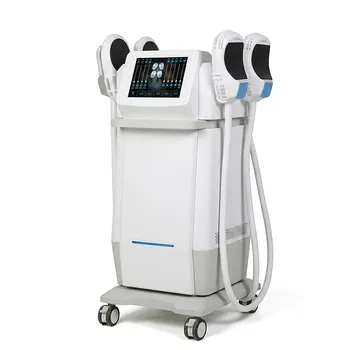
The operational difference is fundamental: traditional spas are organized around relaxation, comfort, and immediate surface-level results, while medical aesthetic practices are organized around clinical assessment, controlled energy delivery, measurable outcomes, and patient safety. Lasers, HIFU, and microneedle RF systems therefore require more than equipment operation—they require clinical protocols, technical training, and individualized treatment planning.
Traditional spa operations prioritize the experience; medical aesthetic operations prioritize the outcome. Once high-energy devices are introduced, the practice must operate like a clinical treatment environment, with structured assessment, informed consent, parameter selection, safety controls, and post-procedure care.
The Core Difference in Operational Purpose
Traditional spas optimize for relaxation and immediate satisfaction
Traditional spa services generally focus on comfort, hospitality, and visible short-term improvements. Basic facials and superficial exfoliation primarily address the outermost epidermal layer.
The client experience is central: a calm environment, pleasant sensations, and minimal recovery requirements are often more important than a long-term corrective treatment plan.
Medical aesthetics optimize for controlled clinical results
Medical aesthetic settings use treatments intended to affect deeper skin layers and dermal structures. Individuals are treated as patients, and the practice must account for skin condition, treatment risk, expected response, and recovery.
The operational goal is not simply to make the skin feel better immediately. It is to deliver a safe, appropriate, and measurable therapeutic or cosmetic result.
How Advanced Devices Change the Workflow
Treatment begins with clinical assessment
Advanced devices cannot be selected or configured appropriately based only on a general facial or skin-type preference. Practitioners must understand skin physiology and assess the patient’s condition, concerns, expectations, and suitability for treatment.
This is particularly important for fractional CO2 lasers, Nd:YAG lasers, HIFU, and microneedle RF systems, because each device delivers energy differently and targets different tissue structures.
Device parameters must be individualized
Medical aesthetic equipment requires deliberate control of treatment variables, rather than a standardized service routine. Practitioners must tailor settings to the patient’s skin characteristics, treatment area, desired result, and tolerance.
A results-oriented practitioner understands that higher intensity is not automatically better. The objective is controlled energy delivery that balances clinical benefit with patient safety and recovery.
The treatment extends beyond the device session
In a traditional spa, the service may effectively end when the facial or exfoliation is complete. In medical aesthetics, the operational process includes preparation, monitoring, documentation, aftercare, and follow-up.
Post-procedure protocols are especially important when treatment produces inflammation, sensitivity, or a period of visible recovery. Patients need clear instructions about what to expect and how to care for the treated area.
The Required Standard of Practitioner Capability
Technical training becomes essential
Practitioners operating advanced devices need specialized technical training, not merely general esthetic experience. They must understand how energy interacts with tissue and how different settings influence treatment response.
They also need to recognize when a patient’s condition or expectations are not appropriate for a particular device or protocol.
Skin physiology informs safe decisions
Clinical knowledge helps practitioners distinguish between superficial concerns and problems involving deeper structures. It also supports more accurate decisions about treatment intensity, sequencing, and recovery expectations.
This knowledge is particularly relevant when combining technologies or treating pigmentation, vascular concerns, textural irregularities, or signs of aging.
A clinical mindset supports better outcomes
A clinical and results-oriented practitioner approaches each treatment as a controlled intervention. They evaluate the patient before treatment, establish realistic goals, monitor the response, and adjust future sessions based on documented outcomes.
This differs from a hospitality-led approach, where the quality of the experience may be the primary measure of success.
How Practice Protocols Must Evolve
Intake and skin analysis become structured
Medical aesthetic practices should use formal medical intake forms and structured skin analysis. These processes help identify relevant patient information and create a documented basis for treatment decisions.
The assessment also provides an opportunity to align the patient’s expectations with what the device can realistically achieve.
Informed consent becomes part of the workflow
Patients should receive clear information about the procedure, expected benefits, possible discomfort, recovery, and relevant risks. Informed consent is not simply an administrative form; it supports a shared understanding of the treatment plan.
This is a meaningful operational distinction from routine spa services, where the potential tissue response and recovery burden are generally less significant.
Documentation supports consistency
Treatment records should capture the assessment, selected parameters, patient response, and aftercare instructions. Documentation allows the practice to evaluate progress and make better decisions during subsequent sessions.
It also helps ensure that care is delivered consistently across practitioners and appointments.
Why Device Precision Raises the Standard
Energy can target specific tissue structures
Medical aesthetic lasers can deliver selected wavelengths that interact with particular targets, such as pigmentation, unwanted facial blood vessels, or aged skin components. This selective approach can treat a target while limiting exposure to adjacent healthy tissue.
The same principle reinforces why operator knowledge matters: the device’s benefits depend on selecting an appropriate wavelength, treatment approach, and energy level.
Clinical benefits depend on correct use
Advanced energy devices may offer advantages such as reduced bleeding, less tissue disruption, faster procedures, reduced discomfort, and shorter recovery compared with some surgical approaches. These benefits are not automatic, however.
They depend on suitable patient selection, correct device use, and appropriate post-procedure management.
Understanding the Trade-offs
More capability means more responsibility
Advanced devices can address concerns that conventional spa treatments cannot, but they also introduce greater technical and operational responsibility. A practice cannot treat medical-grade equipment as an extension of a standard facial menu.
The deeper the treatment and the greater the energy delivered, the more important clinical oversight, practitioner competence, and structured protocols become.
Immediate gratification may conflict with clinical goals
Patients may expect an instant, dramatic result because they are accustomed to spa experiences that emphasize immediate surface improvement. Medical aesthetic treatments may instead require healing time, multiple sessions, or gradual remodeling.
Practitioners must explain this distinction clearly so that short-term appearance is not mistaken for the final treatment outcome.
Equipment ownership does not equal competence
Purchasing a fractional CO2 laser, HIFU system, or microneedle RF device does not establish a safe medical aesthetic operation. The practice must also develop the training, assessment, consent, documentation, treatment, and follow-up systems that support responsible use.
The central risk is treating advanced equipment as a product feature rather than as part of a clinical care pathway.
Making the Right Choice for Your Goal
The operational model should follow the treatment depth, device capability, and outcome you intend to deliver.
- If your primary focus is relaxation and basic skin maintenance: Maintain a hospitality-led spa model centered on comfort, superficial treatments, and immediate client satisfaction.
- If your primary focus is corrective skin treatment: Build a results-oriented medical aesthetic workflow with structured assessment, individualized parameters, informed consent, and documented outcomes.
- If your primary focus is safe use of advanced lasers or RF systems: Prioritize specialized practitioner training, knowledge of skin physiology, and clearly defined treatment and post-procedure protocols.
- If your primary focus is long-term patient outcomes: Treat each session as part of a documented care plan rather than as an isolated service.
Advanced aesthetic devices deliver their greatest value when the practice operating them is designed around clinical responsibility, not merely customer experience.
Summary Table:
| Aspect | Traditional Spa | Medical Aesthetic |
|---|---|---|
| Primary Focus | Relaxation & comfort | Clinical outcomes & safety |
| Treatment Depth | Superficial | Deeper layers, therapeutic |
| Assessment | Basic | Structured skin analysis & intake |
| Device Parameters | Standardized | Individualized |
| Informed Consent | Minimal | Comprehensive |
| Documentation | Rare | Standard practice |
| Aftercare | Simple | Structured protocols |
| Practitioner Training | General esthetic | Specialized technical |
| Mindset | Hospitality-led | Clinical, results-oriented |
Ready to elevate your practice with advanced aesthetic devices? At BELIS, we provide professional-grade medical aesthetic equipment exclusively for clinics and premium salons. Our portfolio includes advanced laser systems (Diode Hair Removal, Alexandrite, CO2 Fractional, Erbium, Nd:YAG, Pico), IPL, PDT, HIFU, Microneedle RF, body sculpting solutions, and more. Our experts help you implement safe, effective protocols—from training to aftercare—so you can deliver superior outcomes. Contact us today to discuss your needs and discover how BELIS can support your success.
Related Products
- RF Microneedling Machine Micro Needle Radio Frequency Machine
- RF Microneedling Machine Micro Needle Radio Frequency Machine
- Ultrasonic Cavitation Radiofrecuency Machine for Body Slimming
- EMS Body Sculpting Slimming Machine EMSlim Body Slimming Machine
- EMSlim Neo Nova Body Sculpting EMS Sculpting Machine
People Also Ask
- What is the function of applying high-concentration topical anesthetic cream? Unlock Deeper Results in Microneedling
- How does Microneedling RF differ from standard microneedling? Advanced Scars Treatment for Clinic Results
- How does Microneedling assist in drug absorption for vitiligo? Boost Treatment Efficacy with Enhanced Micro-channels
- Why is evaluating localized skin thickness essential when setting needle depth and energy parameters for microneedling RF and microdermabrasion devices? Achieve Safe and Effective Treatments
- Why is a 2.5mm needle depth typically selected for deep scars? Unlock Professional Microneedling Results