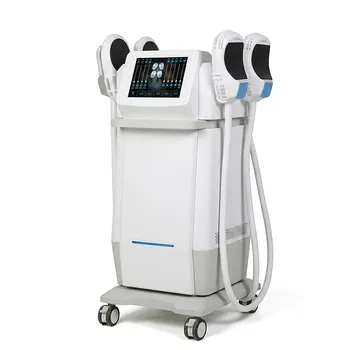
RF technology generates heat inside tissue by passing a high-frequency alternating electrical current through it. The current causes charged particles and cellular structures along its path to oscillate rapidly. Because tissue has electrical impedance, this motion produces intermolecular collisions and converts electrical energy into controlled thermal energy within the dermis and, depending on the device, deeper tissue layers.
The key distinction is control: monopolar RF can deliver heat more deeply, while bipolar RF confines the current between two electrodes, making the treatment depth and target area more predictable and often improving comfort and safety.
How RF Generates Thermal Energy
Alternating Current Creates Molecular Movement
RF devices deliver alternating electrical currents at high frequency. As the direction of the current changes, charged structures within the tissue move back and forth along the electrical pathway.
This rapid movement increases molecular collisions. The resulting friction-like resistance converts electrical energy into heat directly within the tissue rather than applying heat only from the skin’s surface.
Tissue Impedance Determines Heat Production
Tissue impedance, or resistance to electrical current, is central to RF heating. As current encounters resistance, part of its electrical energy becomes thermal energy.
The device can regulate parameters such as energy delivery and exposure to produce controlled heating. The objective is to raise the temperature of selected tissue layers while limiting unwanted damage to surrounding structures and the skin surface.
Heat Produces Immediate and Delayed Effects
Controlled dermal heating can cause existing collagen fibers to contract, contributing to an immediate firming effect. The heat also initiates collagen remodeling and stimulates fibroblast activity, supporting the longer-term production of new collagen.
These combined responses can gradually improve the appearance of skin laxity, firmness, and texture. The precise biological response depends on the delivered temperature, treatment depth, device design, and individual tissue characteristics.
Why Electrode Configuration Matters
Monopolar RF Uses a Broader Electrical Path
Monopolar RF generally uses an active treatment electrode with a return pathway elsewhere on the body. The current can travel through a larger volume of tissue, allowing the system to produce heat at greater depths.
This broader path can be useful when deeper tissue heating is the clinical objective. It can also make the exact distribution of energy more dependent on device settings, tissue properties, electrode placement, and the return electrode.
Bipolar RF Creates a Closed Local Circuit
Bipolar RF uses opposing positive and negative electrodes, typically positioned within the same handpiece or treatment area. The electrical current travels primarily between these electrodes, forming a more localized and predictable circuit.
Because the current path is restricted, the device can control the approximate range and depth of energy penetration more precisely than a broad monopolar arrangement.
Fractional Bipolar Systems Localize Thermal Zones
Some bipolar systems use multiple or fractional micro-electrodes. These electrodes create discrete zones of thermal effect within the targeted skin layers while leaving adjacent tissue less affected.
This approach can support controlled remodeling across the treatment area. It also allows the device to balance therapeutic heating with preservation of untreated or less-heated tissue between the thermal zones.
Benefits of Bipolar Electrode Configurations
More Selective Tissue Targeting
The restricted current path helps concentrate energy between the electrodes. This makes it easier to target specific dermal layers rather than heating a less-defined volume of tissue.
For aesthetic tightening, that precision can help align the treatment zone with the tissue responsible for the desired improvement in laxity and firmness.
Greater Control Over Treatment Depth
Bipolar electrode spacing and arrangement influence the region where energy is deposited. This gives the operator greater control over the likely depth and distribution of heating.
Depth control is important because effective dermal remodeling requires sufficient thermal exposure, while excessive or poorly distributed heat can increase discomfort and unwanted tissue injury.
Improved Safety Management
By keeping the current path localized, bipolar systems can reduce unintended energy spread outside the treatment zone. This supports more predictable thermal delivery and can improve the device’s safety profile when used appropriately.
Safety still depends on correct patient selection, device settings, cooling or contact mechanisms, electrode placement, and operator technique. Bipolar design improves control; it does not eliminate procedural risk.
Potentially Greater Treatment Comfort
A more confined energy path may reduce unnecessary heating of tissue outside the intended target. This can make bipolar treatments more comfortable for some patients compared with less localized energy delivery.
Comfort varies with treatment intensity, skin characteristics, body location, and the specific device. Electrode configuration is one factor, not a guarantee of a painless procedure.
How RF Tightening Produces Visible Results
Collagen Fibers Contract
Heating can temporarily alter the structure of collagen fibrils and cause existing fibers to contract. This contraction contributes to early skin firming after treatment.
The immediate effect should not be confused with the full treatment outcome. Some visible tightening may result from short-term collagen changes, while later improvement depends on tissue remodeling.
Fibroblasts Support Longer-Term Remodeling
Thermal stimulation can activate dermal fibroblasts, the cells responsible for producing components of the extracellular matrix, including collagen. This supports a gradual remodeling response after the procedure.
As collagen production and organization change over time, the skin may appear firmer and its texture may improve progressively.
Non-Ablative Heating Preserves the Surface
Many aesthetic RF systems are non-ablative. They deliver energy beneath or within the skin without intentionally removing the outer skin surface.
This allows thermal remodeling with generally limited recovery compared with procedures that ablate or vaporize tissue. The actual downtime and risk profile depend on whether the system is surface, deep, fractional, or combined with other technologies.
Understanding the Trade-offs
Precision Does Not Mean Unlimited Depth
Bipolar RF offers more localized energy delivery, but its treatment depth is constrained by electrode arrangement and spacing. A configuration optimized for superficial or mid-dermal heating may not reach the same depth as a monopolar system designed for broader deep-tissue delivery.
The appropriate configuration therefore depends on the treatment objective rather than on one technology being universally superior.
Higher Energy Can Increase Risk
Effective thermal remodeling requires adequate energy, but excessive temperature or exposure can cause pain, burns, inflammation, pigment changes, or other adverse effects. Fractional systems may also create localized zones of thermal injury.
Treatment parameters must be selected for the patient’s skin type, anatomy, treatment area, and clinical goal. Device labeling and trained clinical operation remain essential.
Results Are Usually Progressive and Variable
RF can provide an early tightening effect, but collagen remodeling develops over time. Results vary according to age, degree of laxity, tissue quality, treatment settings, and the number and spacing of treatments.
RF is best understood as a method for controlled tissue remodeling, not as a direct substitute for surgical lifting when substantial excess skin or structural descent is present.
Heat Distribution Depends on More Than the Electrodes
Electrode configuration is important, but tissue impedance, contact quality, movement speed, cooling, hydration, and anatomical differences also affect energy delivery. Poor contact or inconsistent technique can produce uneven heating.
A bipolar handpiece improves the predictability of the electrical path, but it does not make thermal distribution completely uniform under all conditions.
Making the Right Choice for Your Goal
The most suitable RF configuration depends on the target tissue, desired depth, tolerance for treatment, and need for localized control.
- If your primary focus is deeper, broader tissue heating: A monopolar RF configuration may be appropriate because its electrical path can extend through a larger tissue volume.
- If your primary focus is precise dermal targeting: A bipolar configuration can provide more localized control over the current path and approximate treatment depth.
- If your primary focus is treatment comfort and safety control: Bipolar RF may be advantageous because it restricts energy delivery between the electrodes, although settings and technique remain decisive.
- If your primary focus is gradual improvement in laxity and texture: RF’s combination of immediate collagen contraction and longer-term remodeling can support progressive non-surgical tightening.
RF tightening works by converting electrical resistance into controlled internal heat, while bipolar electrodes make that heating more localized, predictable, and manageable.
Summary Table:
| Benefit | Description |
|---|---|
| Selective Tissue Targeting | Concentrates energy between electrodes, focusing on specific dermal layers. |
| Greater Depth Control | Electrode spacing and arrangement influence energy deposition, allowing precise depth. |
| Improved Safety | Localized current path reduces unintended energy spread, enhancing safety. |
| Enhanced Comfort | Confined energy path may reduce heating outside the target, increasing comfort. |
Elevate your clinic's aesthetic offerings with our advanced RF platforms, designed for precise and comfortable skin tightening. As a leading supplier to clinics and premium salons, BELIS provides professional-grade devices that deliver exceptional results and patient satisfaction. Our RF systems, part of a comprehensive portfolio covering all major aesthetic technologies, ensure you stay ahead in the market. Contact us today to discover how our solutions can expand your service menu and boost your practice. Get in touch with our experts.
Related Products
- Ultrasonic Cavitation Radiofrecuency Machine for Body Slimming
- RF Microneedling Machine Micro Needle Radio Frequency Machine
- RF Microneedling Machine Micro Needle Radio Frequency Machine
- IPL SHR+Radio frecuency machine
- 9D 7D HIFU Vaginal RF Lifting Treatment
People Also Ask
- What are the pros and cons of the ultrasonic cavitation slimming treatment? A Guide to Painless Body Contouring
- Does an ultrasonic cavitation machine also tighten the skin? Achieve Total Body Contouring with RF Synergy
- How does radiofrequency technology in slimming machines promote fat reduction? The Science of Non-Invasive Sculpting
- How should one prepare for an ultrasonic cavitation appointment? 5 Essential Tips for Maximum Fat Loss Results
- What is an ultrasonic cavitation machine? Sculpt Your Body with Advanced Non-Invasive Fat Reduction