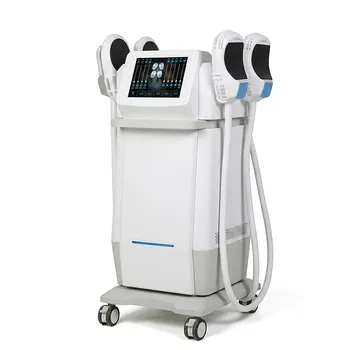
For stretch mark treatments, Microneedle RF generally has fewer skin-type limitations and a lower PIH risk than laser resurfacing, particularly for Fitzpatrick skin types IV–VI. Lasers deliver optical energy that can interact with epidermal melanin, so aggressive settings may increase thermal injury, prolonged inflammation, and post-inflammatory hyperpigmentation. Microneedle RF delivers energy beneath the epidermis through insulated or non-insulated needles, reducing direct melanin exposure and making it more suitable for higher-melanin skin, although it is not entirely risk-free.
The central difference is the location of energy delivery: lasers may heat or disrupt the melanin-rich epidermis, while Microneedle RF concentrates thermal injury in the dermis. For darker skin, this usually gives Microneedle RF a wider pigment-safety margin, while carefully selected fractional lasers can still be appropriate with conservative parameters.
Why Skin Type Matters in Stretch Mark Treatments
Stretch marks are primarily dermal lesions
Striae develop when stretching disrupts dermal collagen and elastin. Effective treatments therefore aim to stimulate controlled dermal remodeling, collagen formation, and elastin production.
The main safety concern is avoiding unnecessary injury to the epidermis while creating enough controlled damage to improve the altered dermal tissue.
Fitzpatrick IV–VI skin contains more epidermal melanin
Higher melanin levels increase the potential for pigmentary complications when treatment produces substantial epidermal heating or inflammation. This is especially relevant after aggressive ablative resurfacing.
PIH can appear after the skin has healed and may persist well beyond the initial redness or swelling.
Skin type is a risk factor, not an absolute treatment prohibition
Darker skin does not automatically rule out laser treatment. It does mean that wavelength, fluence, pulse duration, coverage, cooling, treatment density, and the patient’s history of PIH must be considered carefully.
The same laser settings cannot be assumed to have the same safety profile across all phototypes.
How Lasers Compare With Microneedle RF
Lasers depend on optical absorption
Medical aesthetic lasers use light absorbed by tissue chromophores such as water, hemoglobin, or melanin. Fractional CO2 and Erbium lasers primarily interact with water and can produce epidermal ablation and thermal diffusion.
Because the epidermis is disrupted or heated, these systems can trigger a stronger inflammatory response. That response may stimulate excess pigment production in susceptible patients.
Microneedle RF delivers heat below the epidermis
Microneedle RF uses physical needles to reach the dermis and generate heat through tissue impedance rather than selective absorption by melanin. The mechanism is therefore substantially less dependent on skin pigment.
When insulated needles are used, energy is released mainly at the intended subsurface depth, helping protect the epidermis from unnecessary thermal exposure.
Fractional treatment reduces the treated area
Both fractional lasers and fractional Microneedle RF create microscopic treatment zones while leaving untreated tissue between them. These untreated bridges support faster healing and limit the total area exposed to thermal injury.
However, fractional treatment reduces risk; it does not eliminate it. Treatment intensity and the patient’s inflammatory and pigmentary response remain important.
Relative PIH Risk During Stretch Mark Treatment
Fractional ablative lasers carry the greater pigment risk
Fractional CO2 laser can be effective for striae because it creates controlled columns of ablation and thermal injury that stimulate remodeling. Its epidermal disruption and surrounding heat also make PIH more likely, especially in darker phototypes.
Erbium lasers generally produce less thermal diffusion than CO2 systems, but they can still cause pigmentary complications when treatment is aggressive or when healing is prolonged.
Microneedle RF usually offers a wider safety margin
Microneedle RF minimizes widespread epidermal destruction and concentrates coagulation in the deeper dermis. This substantially lowers the likelihood of pigment activation compared with fractional ablative laser treatment.
This advantage is most relevant for Fitzpatrick IV–VI skin, patients with a personal history of PIH, and individuals who cannot tolerate prolonged post-treatment inflammation.
Nd:YAG requires context-specific evaluation
Nd:YAG lasers are not interchangeable with CO2 or Erbium lasers. Their risk profile depends on the wavelength, pulse mode, fluence, target tissue, and clinical indication.
A Nd:YAG system may be appropriate for some darker skin types, but its use should still be based on the specific device and protocol rather than the laser name alone.
Understanding the Trade-offs
Lower PIH risk does not mean zero risk
Microneedle RF still creates needle punctures, dermal coagulation, and inflammation. Excessive depth, energy, pulse stacking, poor aftercare, active dermatitis, or individual susceptibility can still lead to PIH.
The device’s pigment independence describes its energy mechanism; it does not guarantee a pigment-free clinical outcome.
Lasers may provide stronger surface remodeling
Ablative lasers can create more pronounced epidermal resurfacing and thermal remodeling. For selected patients, this may produce meaningful textural improvement, but the increased intensity comes with greater downtime and pigmentary risk.
The benefit must be weighed against the patient’s phototype, striae characteristics, recovery tolerance, and history of abnormal pigmentation.
RF results depend on accurate depth and technique
Microneedle RF requires appropriate needle depth and energy placement. If the needles are too shallow, the treatment may unnecessarily heat the epidermis; if they are too deep or powerful, it may increase pain, inflammation, scarring, or uneven results.
Device design also matters. Insulation, needle configuration, energy control, and delivery pattern can materially affect safety.
Stretch mark stage and structure influence outcomes
Striae rubrae, which are newer and often reddish, may respond differently from mature striae alba, which are pale and atrophic. Width, depth, location, skin thickness, and the degree of collagen and elastin disruption should be assessed before selecting a protocol.
Neither laser nor Microneedle RF should be presented as a guaranteed method of completely removing stretch marks.
How to Apply This to Treatment Planning
The safest choice depends on the patient’s phototype, treatment history, striae characteristics, and tolerance for downtime.
- If your primary focus is minimizing PIH risk in darker skin: Microneedle RF is generally the more conservative option because it delivers controlled dermal heating with less epidermal melanin exposure.
- If your primary focus is stronger epidermal resurfacing: A fractional CO2 or Erbium laser may provide more surface remodeling, but it requires careful parameter selection and acceptance of higher PIH and downtime risk.
- If your primary focus is treating a patient with a history of PIH: Favor a lower-inflammation protocol, consider test spots, and use Microneedle RF or another appropriately selected fractional approach.
- If your primary focus is maximizing laser safety: Use conservative energy density and coverage, adequate cooling and aftercare, and avoid treating before the skin barrier has recovered.
- If your primary focus is selecting the right device: Evaluate the specific wavelength, fractional pattern, needle insulation, depth control, and operator protocol rather than relying on the device category alone.
For darker skin types, Microneedle RF usually provides the more forgiving pigment-safety profile, while carefully planned fractional laser treatment remains a viable option for appropriately selected patients.
Summary Table:
| Aspect | Medical Aesthetic Lasers (e.g., CO2, Erbium) | Microneedle RF |
|---|---|---|
| Mechanism | Optical absorption by water, melanin, hemoglobin | Physical needle penetration with RF heat generation |
| Epidermal Effect | May heat or ablate epidermis (higher melanin interaction) | Minimally affects epidermis (especially with insulated needles) |
| Suitability for Darker Skin (Fitzpatrick IV-VI) | Requires conservative settings; higher PIH risk | Generally safer with lower PIH risk |
| Treatment Depth | Energy deposited at surface and below depending on wavelength | Adjustable needle depth for dermal targeting |
| Downtime | Often longer, especially with ablative lasers | Typically shorter, less epidermal damage |
| PIH Risk | Higher, particularly with aggressive fluence | Lower, but not zero; depends on technique and patient |
| Ideal Candidates | Fair skin, no PIH history, willing to accept downtime | All skin types, especially darker skin, PIH-prone patients |
Key Takeaway: Microneedle RF offers a wider safety window for stretch mark treatment in darker skin types due to its reduced interaction with epidermal melanin, while lasers require meticulous parameter selection to minimize PIH risk.
Ready to elevate your clinic's stretch mark protocols? At BELIS, we provide professional-grade medical aesthetic devices tailored for clinics and premium salons. Our portfolio includes advanced Microneedle RF systems, fractional lasers, and comprehensive solutions across the aesthetic technology spectrum. Whether you're treating darker skin types or seeking the latest in laser technology, our experts can guide you to the ideal device for safe, effective outcomes. Contact us today to discover how BELIS can empower your practice with cutting-edge equipment and support – get in touch now!
Related Products
- RF Microneedling Machine Micro Needle Radio Frequency Machine
- RF Microneedling Machine Micro Needle Radio Frequency Machine
- Ultrasonic Cavitation Radiofrecuency Machine for Body Slimming
- EMS Body Sculpting Slimming Machine EMSlim Body Slimming Machine
- Ultrasonic Cavitation Machine Lipo Laser Device
People Also Ask
- How does Microneedling assist in drug absorption for vitiligo? Boost Treatment Efficacy with Enhanced Micro-channels
- How does Microneedling RF differ from standard microneedling? Advanced Scars Treatment for Clinic Results
- What is the function of applying high-concentration topical anesthetic cream? Unlock Deeper Results in Microneedling
- Why is a 2.5mm needle depth typically selected for deep scars? Unlock Professional Microneedling Results
- Why is evaluating localized skin thickness essential when setting needle depth and energy parameters for microneedling RF and microdermabrasion devices? Achieve Safe and Effective Treatments